
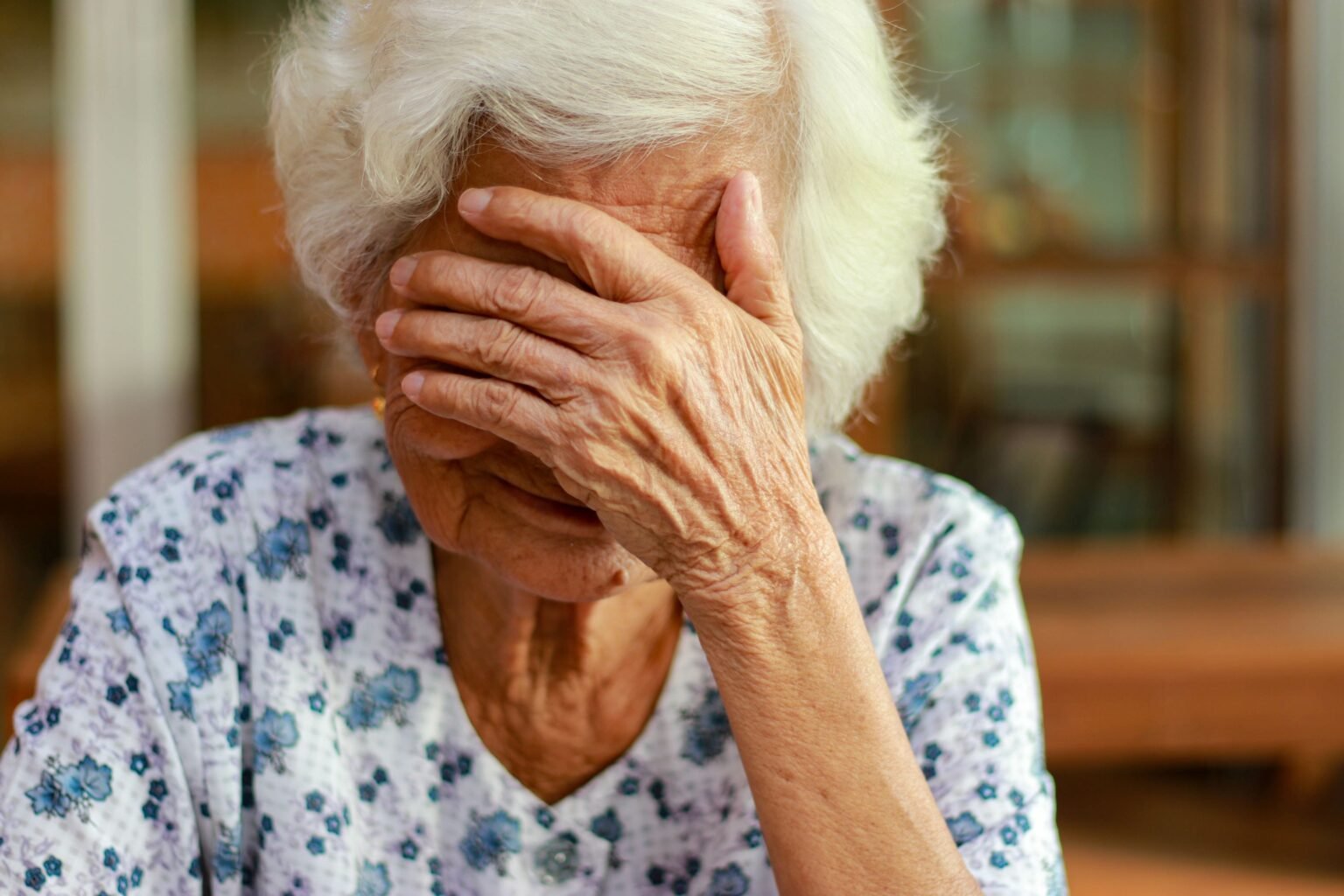
Every older adult deserves to feel safe, respected, and valued.
June is World Elder Abuse Awareness Month, a time dedicated to raising awareness about a serious issue that affects millions of older adults each year. While elder abuse is often hidden from public view, its impact can be devastating, affecting an individual’s health, finances, emotional well-being, and overall quality of life.
According to experts, approximately one in ten older adults experiences some form of abuse, yet many cases go unreported. Fear, embarrassment, dependence on others, and social isolation often prevent victims from seeking help.
Understanding Elder Abuse
Elder abuse can take many forms, including:
Physical Abuse
The intentional use of force that causes pain, injury, or physical harm. This may include hitting, pushing, restraining, or improperly administering medications.
Emotional or Psychological Abuse
Verbal assaults, intimidation, humiliation, threats, or behaviors designed to cause emotional distress and diminish an individual’s sense of self-worth.
Financial Exploitation
The unauthorized or improper use of an older adult’s money, property, or assets. This may include scams, forgery, theft, coercion, or misuse of powers of attorney.
Neglect
The failure to provide basic necessities such as food, hygiene, medication, medical care, supervision, or a safe living environment.
Sexual Abuse
Any non-consensual sexual contact or activity involving an older adult.
Abandonment
The desertion of an older adult by an individual responsible for their care.
Who Is Most at Risk?
Elder abuse can happen to anyone regardless of age, income, education, or health status. However, risk factors may increase when an individual experiences:
- Cognitive impairment or dementia
- Physical limitations
- Social isolation
- Dependence on others for care
- Limited family or community support
While abuse can be committed by strangers, research shows that it is most often perpetrated by someone the individual knows and trusts, including family members, caregivers, friends, or financial advisors.
Warning Signs to Watch For
Recognizing the signs of elder abuse can help protect vulnerable individuals.
Common warning signs include:
- Unexplained bruises, cuts, burns, or injuries
- Sudden weight loss or signs of malnutrition
- Poor hygiene or unsafe living conditions
- Withdrawal from social activities and relationships
- Fearfulness around certain individuals
- Unusual changes in banking or financial activity
- Missed medical appointments or untreated health concerns
- Signs of depression, anxiety, or emotional distress
The Importance of Staying Connected
One of the strongest protections against elder abuse is regular social connection.
Frequent visits, phone calls, video chats, and community involvement help reduce isolation and provide opportunities to identify concerns before they escalate. Family members, friends, neighbors, healthcare professionals, and community organizations all play an important role in supporting the well-being of older adults.
What To Do If You Suspect Abuse
If you believe an older adult may be experiencing abuse, take your concerns seriously.
- Speak with the individual privately and respectfully.
- Listen without judgment.
- Offer reassurance and support.
- Document concerning observations when appropriate.
- Contact local Adult Protective Services or law enforcement if necessary.
If an individual is in immediate danger, call 911 immediately.
How Professional Home Care Can Help
Professional home care services can provide an additional layer of support and oversight for older adults who wish to remain at home.
Trained caregivers assist with personal care, companionship, meal preparation, medication reminders, mobility support, and ongoing observation of changes in health and well-being. Consistent caregiver visits also help reduce isolation and provide families with added peace of mind.
At Grand Bridge Home Care, we believe every older adult deserves to live in an environment where they feel safe, respected, and supported. Through compassionate care and meaningful relationships, we are committed to helping individuals remain secure and comfortable in the place they call home.
Working Together to Protect Older Adults
World Elder Abuse Awareness Month reminds us that protecting older adults is a shared responsibility. By increasing awareness, recognizing warning signs, and staying connected to the seniors in our lives, we can help create safer communities and ensure that every older adult is treated with the dignity, respect, and care they deserve.