
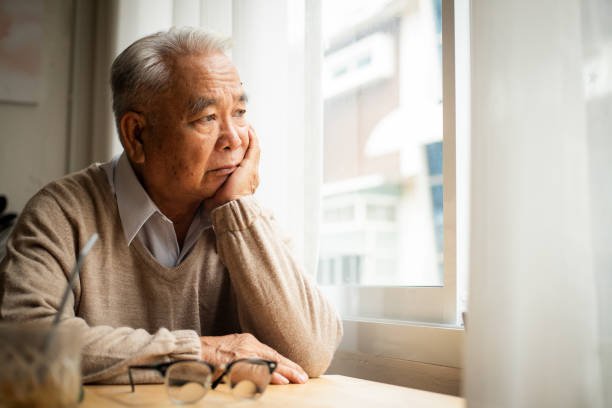
As we age, staying socially connected becomes increasingly important to our overall health and well-being. Yet millions of older adults experience loneliness and social isolation every day. While these challenges are common, they should never be considered a normal part of aging.
At Grand Bridge Home Care, we understand that emotional well-being is just as important as physical health. Meaningful companionship, social engagement, and strong support systems can have a profound impact on a senior’s quality of life.
Understanding Social Isolation and Loneliness
Although often used interchangeably, social isolation and loneliness are not the same.
Social isolation occurs when a person has limited contact with family, friends, or their community. Loneliness is the emotional feeling of being disconnected or alone, even when other people are present.
A senior can be surrounded by others and still feel lonely. Likewise, someone who spends a great deal of time alone may not necessarily experience loneliness. Understanding the difference is important when identifying the support an older adult may need.
Why Seniors Are More Vulnerable
Several life changes can increase the risk of loneliness and social isolation later in life, including:
- Retirement and reduced daily social interaction
- Loss of a spouse, family member, or close friend
- Health conditions that limit mobility
- Hearing or vision challenges
- Transportation difficulties
- Relocation away from familiar communities
- Difficulty using technology to stay connected
These changes can gradually reduce opportunities for social engagement, making seniors more vulnerable to feelings of isolation.
The Impact on Mental and Physical Health
Research continues to show a strong connection between social isolation and declining health among older adults.
Prolonged loneliness has been associated with:
- Depression and anxiety
- Increased stress levels
- Sleep disturbances
- Cognitive decline and memory concerns
- Higher risk of heart disease and stroke
- Weakened immune function
- Reduced overall quality of life
In some cases, chronic loneliness can have health effects comparable to other significant risk factors.
Warning Signs Families Should Watch For
Loneliness is often hidden. Many seniors hesitate to talk about feeling isolated, making it important for loved ones to recognize the signs.
Some common indicators include:
- Withdrawing from activities they once enjoyed
- Declining invitations or social gatherings
- Changes in mood or personality
- Increased irritability or sadness
- Neglecting personal care or household tasks
- Unexplained weight changes
- Missing appointments or medications
- Loss of interest in hobbies and daily routines
Early intervention can make a meaningful difference.
Ways Seniors Can Stay Connected
Building and maintaining social connections does not require major life changes. Small, consistent efforts can help strengthen relationships and improve emotional well-being.
Helpful strategies include:
- Participating in local senior center activities
- Joining clubs, classes, or community groups
- Volunteering for local organizations
- Attending faith-based gatherings
- Pursuing hobbies and personal interests
- Scheduling regular visits with family and friends
- Learning to use video calls and social technology
- Spending time outdoors and engaging with neighbors
Even brief social interactions can have a positive impact.
How Family Members Can Help
Family support plays a critical role in reducing loneliness among older adults.
Loved ones can help by:
- Scheduling regular phone calls or visits
- Encouraging participation in community activities
- Assisting with transportation
- Helping seniors stay connected through technology
- Listening openly and without judgment
- Watching for signs that loneliness may be affecting mental health
Sometimes the most meaningful support is simply being present and engaged.
The Value of Companionship Care
For many seniors, companionship can provide the connection and encouragement needed to maintain a fulfilling and active lifestyle.
Companion caregivers can:
- Provide meaningful conversation and social interaction
- Accompany seniors on walks and outings
- Assist with hobbies and recreational activities
- Offer transportation to appointments and events
- Help reduce feelings of isolation and loneliness
At Grand Bridge Home Care, we believe that care extends beyond physical assistance. Our caregivers build genuine relationships that foster trust, companionship, and emotional well-being.
Supporting Seniors Through Connection
No senior should have to face loneliness alone. While social isolation can affect both mental and physical health, meaningful connections can improve mood, increase confidence, and enhance overall quality of life.
If you or a loved one could benefit from companionship and supportive in-home care, Grand Bridge Home Care is here to help.
Because sometimes the most important care we provide is simply being there.