
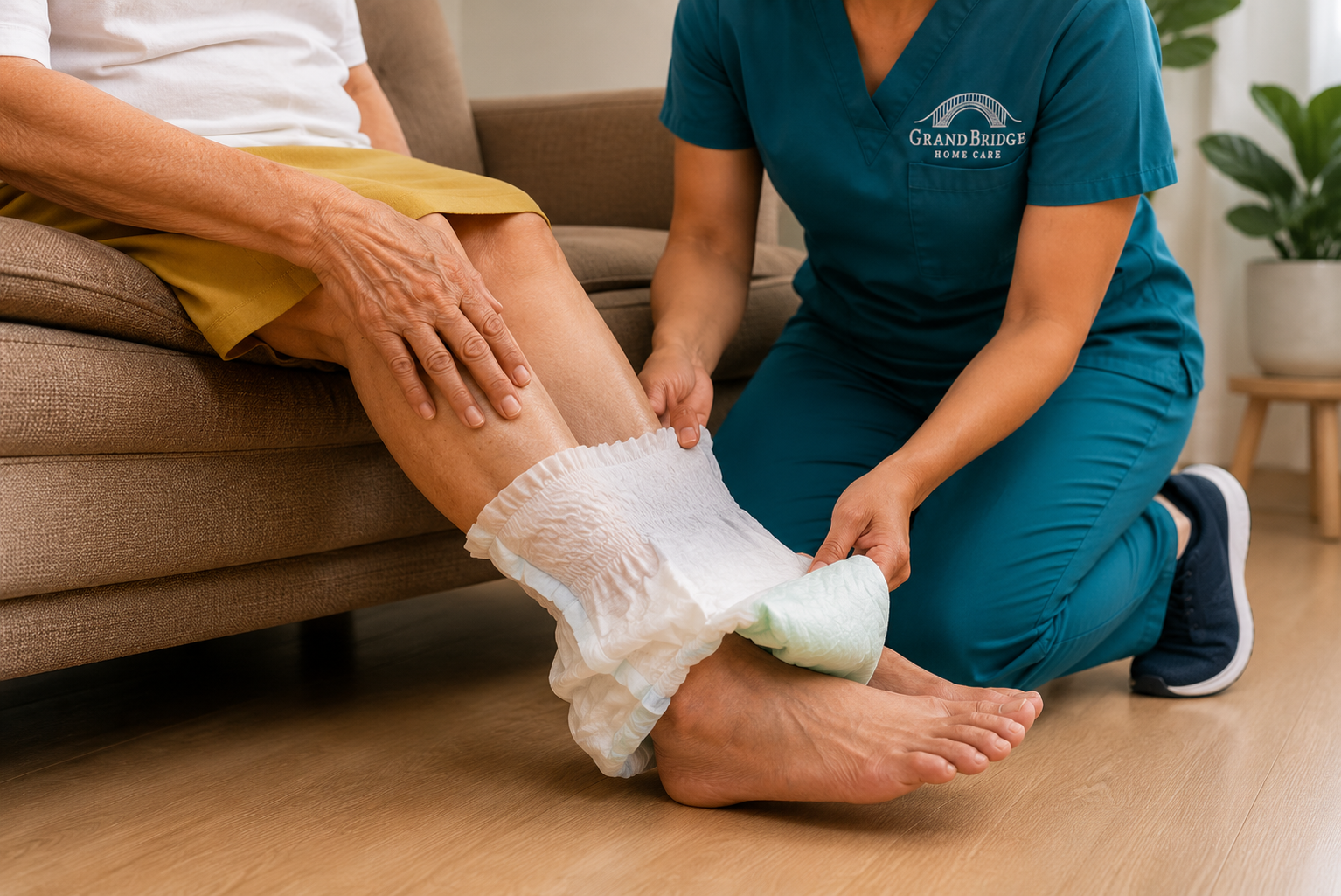
Incontinence is a common condition that affects millions of older adults, yet it is often a topic that goes unspoken. While bladder or bowel control challenges can be frustrating and sometimes embarrassing, they are not an inevitable part of aging and should never prevent someone from living a full and active life.
With the right strategies, support, and care, individuals experiencing incontinence can maintain their comfort, dignity, confidence, and independence while continuing to live safely at home.
Understanding Incontinence
Incontinence refers to the involuntary loss of bladder or bowel control. It can range from occasional leaks to more frequent accidents that interfere with daily activities.
Common types of incontinence include:
Urinary Incontinence
The unintentional leakage of urine.
Stress Incontinence
Leakage that occurs during physical activities such as coughing, sneezing, laughing, or lifting.
Urge Incontinence
A sudden and intense need to urinate that can be difficult to control.
Overflow Incontinence
When the bladder does not empty completely, leading to frequent dribbling or leakage.
Bowel Incontinence
The inability to control bowel movements.
While incontinence becomes more common with age, it is often related to underlying medical conditions, medications, mobility limitations, or changes in physical health.
Common Causes of Incontinence
Several factors may contribute to bladder or bowel control challenges, including:
- Urinary tract infections
- Constipation
- Diabetes
- Neurological conditions
- Parkinson’s disease
- Stroke
- Dementia
- Mobility limitations
- Medication side effects
- Weak pelvic floor muscles
Because many causes are treatable, it is important to discuss symptoms with a healthcare provider.
Practical Strategies for Managing Incontinence at Home
Establish a Consistent Bathroom Schedule
Scheduled bathroom visits can help reduce accidents and improve confidence throughout the day.
Many individuals benefit from:
- Using the bathroom every two to three hours
- Following a regular daily routine
- Limiting delays when the urge arises
Creating consistency often improves bladder and bowel management.
Maintain Proper Hydration
Some individuals mistakenly reduce fluid intake in an attempt to prevent accidents. However, dehydration can irritate the bladder and increase urinary problems.
Aim to:
- Drink water consistently throughout the day
- Limit excessive caffeine
- Avoid excessive alcohol consumption
- Consult a healthcare provider regarding fluid recommendations
Monitor Diet and Nutrition
Certain foods and beverages may irritate the bladder or contribute to bowel issues.
Potential triggers include:
- Caffeine
- Carbonated beverages
- Spicy foods
- Artificial sweeteners
- Excessive alcohol
A balanced diet rich in fiber can also help prevent constipation, which often contributes to incontinence.
Improve Bathroom Accessibility
Simple home modifications can make a significant difference.
Consider:
- Installing grab bars
- Improving lighting
- Removing trip hazards
- Using raised toilet seats
- Keeping pathways clear
- Wearing easy-to-remove clothing
Creating a safer environment helps reduce urgency-related accidents and fall risks.
Utilize Protective Products
Modern incontinence products provide comfort, discretion, and protection.
Options may include:
- Protective underwear
- Disposable pads
- Waterproof mattress protectors
- Chair protectors
- Skin care products designed for sensitive skin
The right products can help individuals remain active and confident.
Protect Skin Health
Prolonged exposure to moisture can lead to skin irritation and breakdown.
Important skin care practices include:
- Gentle cleansing after accidents
- Thorough drying
- Regular skin inspections
- Use of protective barrier creams when appropriate
Maintaining healthy skin is an important part of overall incontinence management.
The Emotional Impact of Incontinence
Many older adults experience embarrassment, anxiety, or social withdrawal because of bladder or bowel control challenges.
It is important to remember that incontinence is a medical condition, not a personal failure.
Open communication with healthcare providers, family members, and caregivers can help reduce stress and ensure appropriate support is available.
How Home Care Can Help
Professional home care can provide valuable assistance for individuals living with incontinence while promoting comfort, dignity, and independence.
Caregivers can assist with:
- Personal care and hygiene
- Toileting assistance
- Mobility support
- Laundry and linen changes
- Monitoring skin health
- Medication reminders
- Maintaining a safe environment
- Emotional support and companionship
Having compassionate assistance available can reduce stress for both individuals and their families.
When to Seek Professional Help
Individuals should speak with a healthcare provider if they experience:
- Sudden onset of incontinence
- Pain or discomfort during urination
- Blood in the urine
- Frequent urinary tract infections
- Significant changes in bowel habits
- Increasing difficulty managing daily activities
Early intervention often leads to better outcomes and improved quality of life.
Living Comfortably and Confidently at Home
Incontinence can present challenges, but it does not have to limit independence or diminish quality of life. With proper management, a supportive care plan, and compassionate assistance when needed, individuals can continue enjoying the comfort and familiarity of home.
At Grand Bridge Home Care, we understand the importance of providing care with dignity, respect, and compassion. Our caregivers are committed to helping clients maintain their comfort, confidence, and quality of life while receiving personalized support tailored to their unique needs.
To learn more about our personalized home care services, contact Grand Bridge Home Care to schedule a complimentary in-home assessment.